
A water company cannot fail the way an ordinary company fails. The taps stay on, the sewage still has to go somewhere, and a state that regulates the business cannot walk away from it. That is why the rescue of Thames Water, the largest water supplier in the United Kingdom, is less a financial story than a question about promises: who makes them, to whom, and who can hold them to account.
On 17 September 2026, the Environment, Food, Rural Affairs Committee of the House of Commons, a cross-party group chaired by Alistair Carmichael, reported on the creditors’ latest proposal. It is a £10 billion takeover by a consortium of more than 100 creditors called London & Valley Water, which includes Elliott Management and Apollo Global Management. Together the creditors hold about £17 billion of a debt pile above £20 billion. An earlier rescue, led by the investor KKR, fell through in 2025. In June, the then environment secretary wrote to Ofwat that she was “not yet convinced” the plan gave consumers enough protection.
What the creditors now offer is a list of undertakings. According to City A.M.’s report on the committee’s findings, the plan would write off billions of pounds of debt, inject new capital for infrastructure, pay no dividends until 2035 and give the government a stake in the business. A spokesperson said there would be “no cost to the Government or taxpayers”. The committee reads a further element into the proposal. It says the consortium wants relief from pollution and service fines in return for taking control, and it recommends refusing that trade.
The committee’s verdict was blunt. It said the deal should be rejected and the company returned to public control. It said the bidders’ priority was to “extract immediate value from Thames Water, not steer it to long-term success”, and it called the consortium “opaque”, with too little known about its many creditors. London & Valley Water answers that its investors have never controlled Thames Water or received a dividend from it, that they funded a revenue shortfall to keep the investment programme running, and that the enhanced proposal addresses feedback from Ofwat and ministers. Thames Water says it needs recapitalising and that delay risks slowing its turnaround. The company has said it will run out of capital by the end of the year. The government says all options remain under review. In late August, press reports said Prime Minister Andy Burnham had paused plans for special administration over cost and legal risk, and a Whitehall source said the option was “not off the table”. On 29 September he told his party’s conference that the government would legislate to allow public ownership of failing water companies. He did not announce a decision on Thames Water, and the government has not said whether it will use special administration. On 14 October, Thames Water said its creditors had approved a further £170 million draw from its super senior funding facility, the fifteenth such approval, and that it continued to work for a “market-led solution”. No statement from Ofwat appears in the reports read.
Both sides are arguing about the people: whether the creditors are rescuers or extractors, whether the state is a safe pair of hands. The structural question sits underneath. A rescue is a bundle of promises, and a promise is only as strong as the document that records it, the party that signed it and the remedy if it is broken.
Take the 2035 dividend pledge. It runs for nine years. Who is bound by it if a creditor sells its stake in 2029? Who checks compliance, and on what evidence? What does breach cost, and who collects? The committee’s complaint about opacity is a complaint about exactly this. A promise from a party that cannot be named cannot be enforced against it. A consortium of over 100 members is not a single counterparty. It is a structure that can change shape over time.
The same gap shows in the committee’s account of a “doom loop”. Fines for failure drain the money needed to improve, which worsens performance, which brings more fines and higher bills. The regulator’s tool for enforcement is the fine. The company’s route out of trouble needs the same cash. A deal that trades relief from fines for an investment pledge changes the regulator’s role: it moves from sanction to reliance on a promise. That may be sensible. It also means the quality of the promise now carries what the penalty used to carry.
The alternative has its own list of promises. Special administration, which the committee favours as a route to temporary public control, replaces the creditors’ undertakings with the state’s. The committee says the government could recover its costs through a future sale once the company is stable. That is a promise too, and it depends on a buyer that does not yet exist, at a price that cannot yet be known, under rules that the committee itself says would need changing. It also asks for a new power to trigger special administration on performance grounds before insolvency, and acknowledges that creditors could challenge it. The state, like the consortium, would be asking everyone to rely on what it will do later.
Every route on the table rests on something promised now and delivered later by someone who is not yet in the room. Creditors promise investment and restraint. The state promises recovery of costs and a competent exit. Customers and the environment are asked to wait. The committee’s recommendations, and the creditors’ replies, are mostly about which promiser to trust. Few of them describe how any promise would be held.
That is the part worth watching as the year-end deadline approaches. What the deal says matters less than who is on the other side of its signature, how a change of holder is handled, and what a customer, a regulator or a court could actually do in 2031, when the pledge is still five years from expiry and the holders may be different.
The pattern is not peculiar to water or to Britain. Wherever a utility’s debts outgrow its ability to meet its obligations, whether in ports, power or rail, the public debate turns on price and ownership. The lasting question is who can be made to keep the promise.
Based on published reports up to 15 October 2026. The parties’ positions are given as reported.
Sources and image credits
- House of Commons Environment, Food and Rural Affairs Committee — report announcement, 18 September 2026.
- City A.M. — “Nationalise Thames Water and block private rescue deal, MPs tell Burnham”, 18 September 2026.
- Thames Water — Fifteenth Consent Requests results, 14 October 2026.
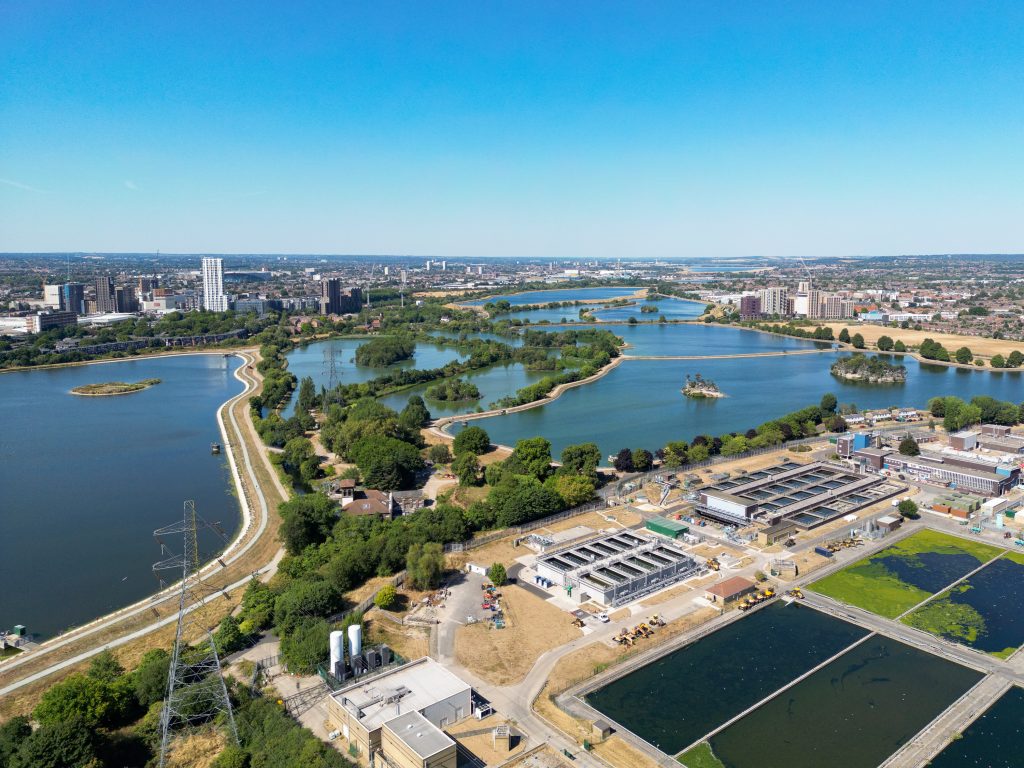
- Lead photograph: Russss, Walthamstow Reservoirs and Coppermills Water Treatment Works, CC BY-SA 4.0.
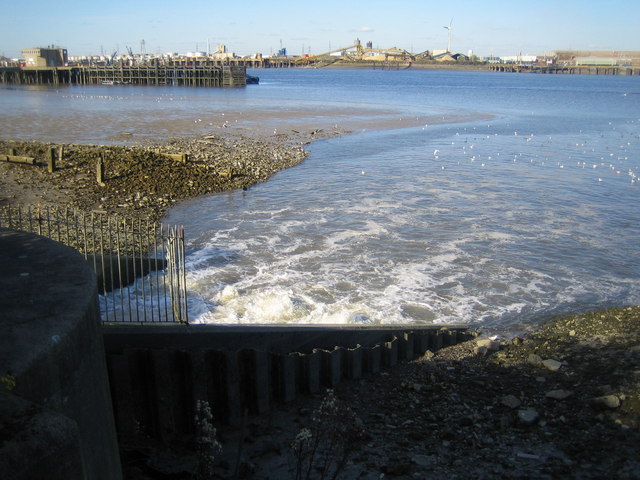
- Crossness photograph: Nigel Cox / Geograph, Crossness Sewage Treatment Works outfall, CC BY-SA 2.0.
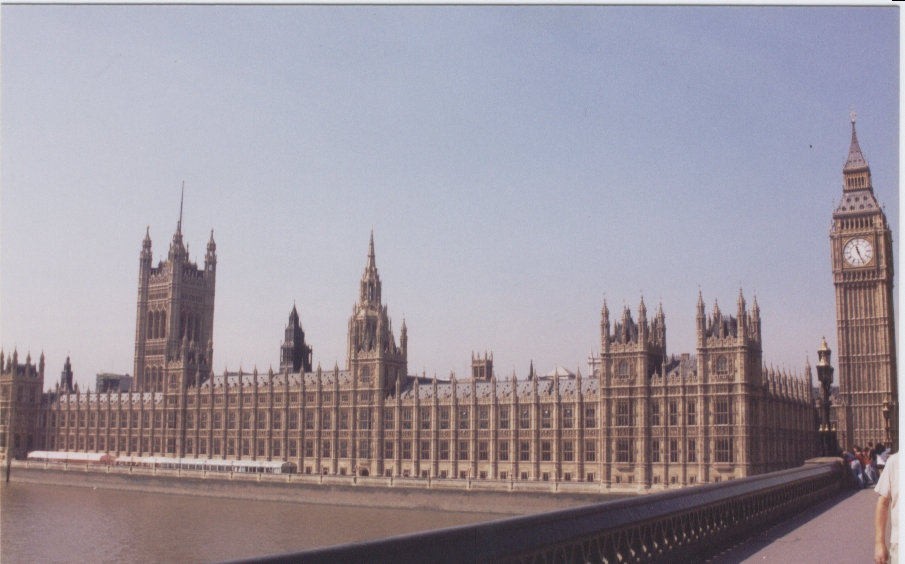
- Parliament photograph: Joseolgon, Palace of Westminster, CC BY-SA 4.0.
Image licences permit reuse subject to their attribution and share-alike conditions.